
Why Most Sales Conversations Die After “Let Me Think About It”

Sales Intelligence Digest #2
Understanding the quiet psychology behind buyer hesitation
We like to think people buy because they see the value.
They don’t.
They buy because they feel safe enough to make a decision.
That’s the invisible game every founder, salesperson, and marketer is playing. You’re not selling a product. You’re lowering the perceived risk in someone’s mind long enough for them to say yes.
But most founders mess this up.
They keep adding more logic to an emotional problem.
More decks. More demos. More features.
Meanwhile, the prospect is just thinking, “If this doesn’t work, will I look stupid?”
That’s what “let me think about it” really means.
It’s not a request for time. It’s a confession of fear.
The Hidden Friction
Every buyer has three psychological filters:
Credibility: “Can I trust this person?”
Certainty: “Will this actually work for me?”
Convenience: “Is it easy enough to start?”
Miss any one, and the deal stalls.
Meet all three, and the decision becomes effortless.
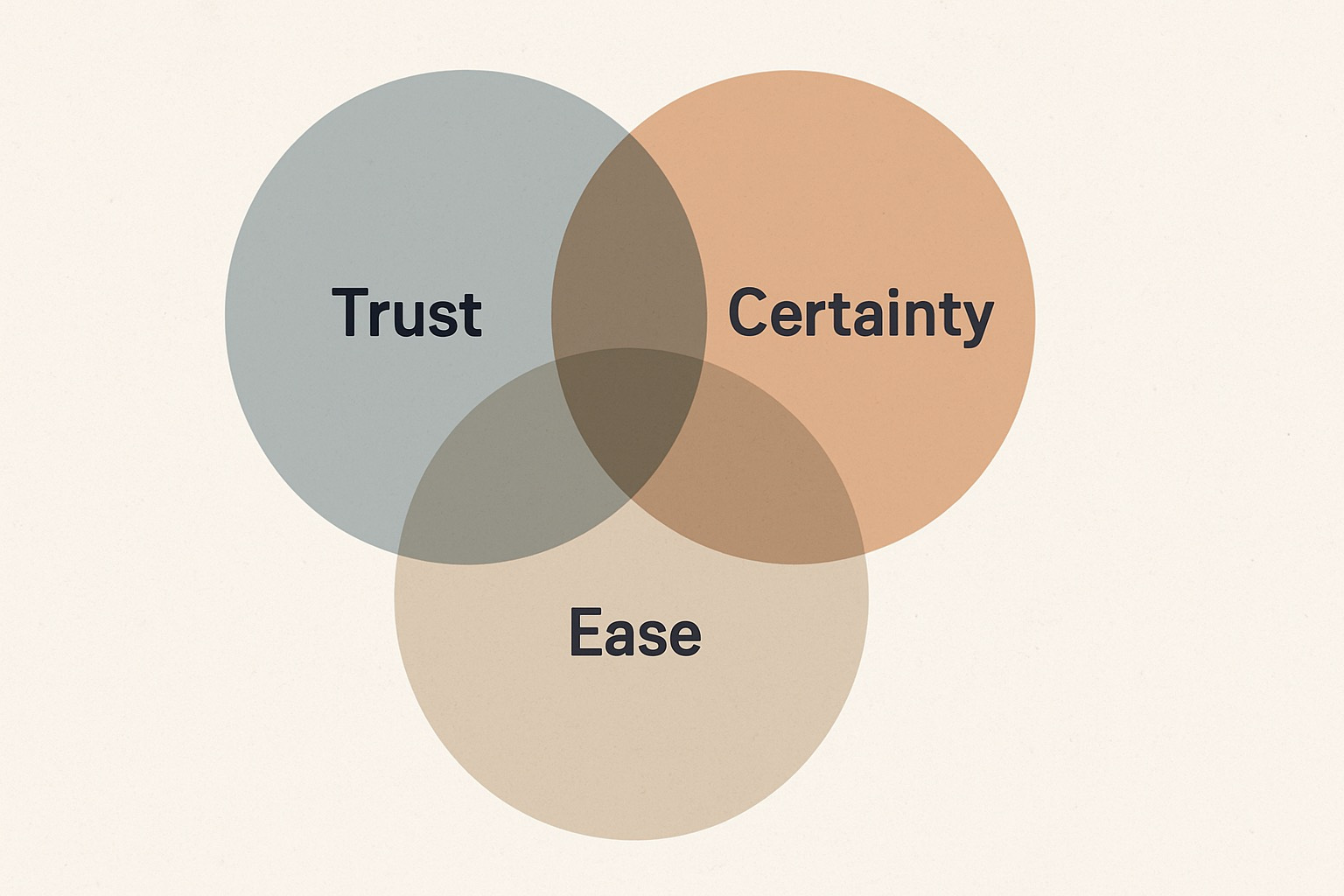
This is why persuasion starts before the pitch.
People are subconsciously measuring how safe it feels to believe you. The tone of your emails, the clarity of your website, the confidence in your call — all these are silent cues of credibility.
The mistake most business owners make is assuming confidence equals pressure.
It doesn’t. Confidence is clarity without desperation.
The Mirror Technique
One of the simplest ways to restore safety in a sale is by mirroring uncertainty instead of fighting it.
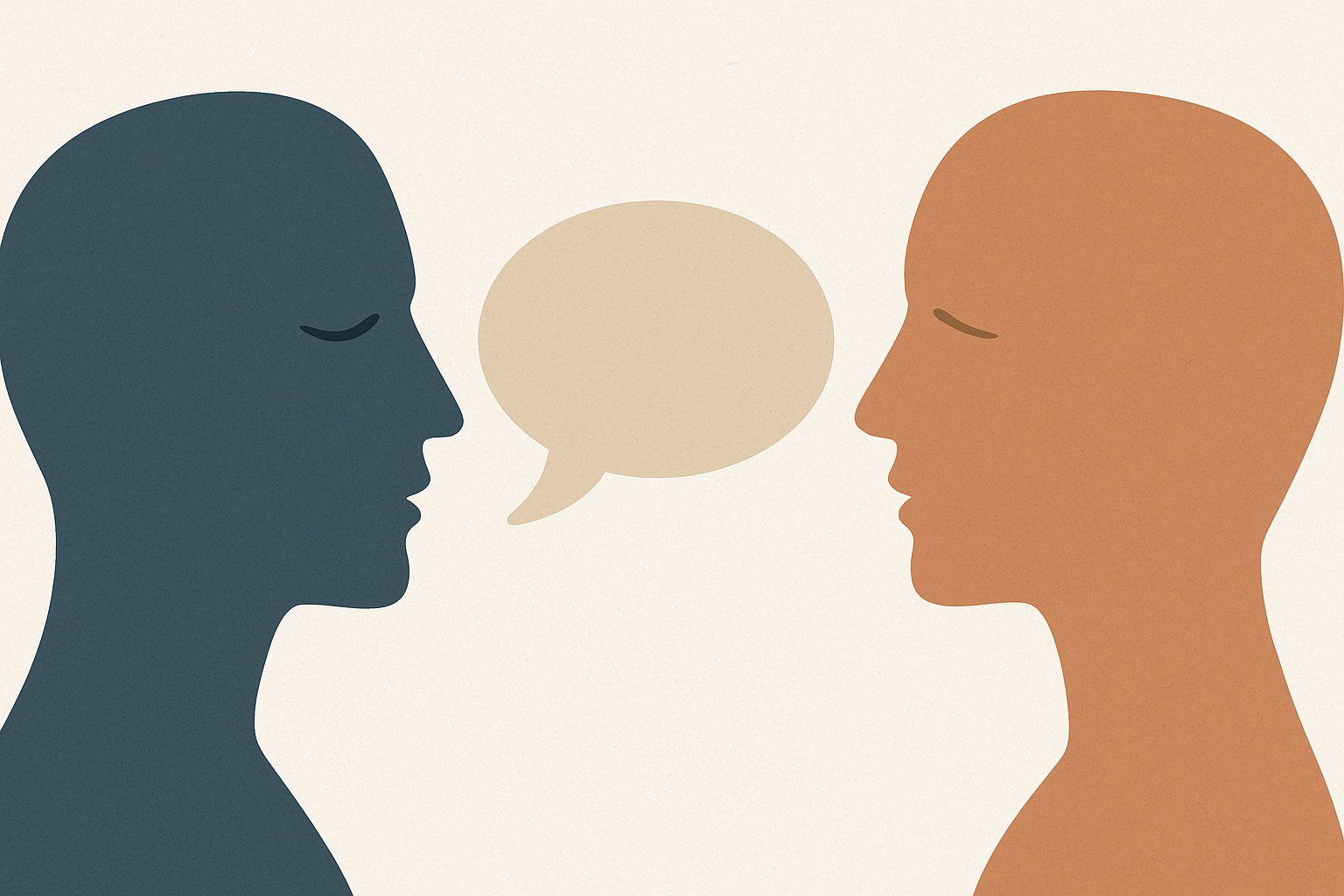
When a buyer says, “I’m not sure if this is the right time,” the average founder tries to convince them otherwise.
The smarter entrepreneur slows down and asks, “That’s fair — what part feels too early?”
That shift from convincing to understanding breaks resistance.
It makes the conversation collaborative, not competitive.
You become a guide, not a vendor.
Sales psychology, at its core, is empathy operationalized.
The Real Lesson
Most buyers don’t need more reasons to buy.
They need fewer reasons to hesitate.
That’s what great sales design achieves. It’s not about flashy automation or pitch decks. It’s about reducing friction — emotional, informational, and procedural — at every step.
If you can make your buyers feel safe to decide, they’ll move faster, buy sooner, and stay longer.
Signals
🧠 95% of purchasing decisions are subconscious (Harvard Business Review)
💬 Mirroring language increases close rates by 17% (Gong.io study)
🚀 Businesses who follow up with empathy-based scripts see 2.4x higher conversion.
The best founders don’t sell harder. They listen deeper.
Because sales isn’t about persuasion. It’s about safety.
If this issue made you pause and reflect, consider sharing it with another business owner who sells something — because chances are, they’re hearing “let me think about it” too often.
Nice one. Clear and good content.
How many times did you hear let me think about it before realizing it's too late ? 😉